
Rupture and Rediscovery

At 42, menopause felt like a breakdown to me. Not a clinical breakdown, but what society casually calls a nervous breakdown, a collapse of functioning under the weight of psychological symptoms: brain fog, poor concentration, sleep disruption, emotional instability, and irritability. I eventually reached a breaking point, a hormone-driven collapse that looked like burnout but was so much more.
Today, twenty years later, menopause remains one of human evolution’s greatest mysteries.[1] Too frequently, it is defined in the language of failure and loss. The catastrophic failure of reproductive capacity. The loss of youth, the loss of femininity, and with it, the loss of self.
Or menopause is framed as the opposite. A time of renewal and freedom. A period of radical self-acceptance and reclaimed agency.
It is both.
Menopause is loss and gain, rupture and rediscovery. It is a biopsychosocial phenomenon that reshapes identity.
Yes, it is biological, but when viewed only through this lens, it gets reduced to an inconvenience or minimized as no big deal. But it is not that simple. Menopause doesn’t just happen to our bodies. It happens to our minds. Our relationships. Our very sense of self.
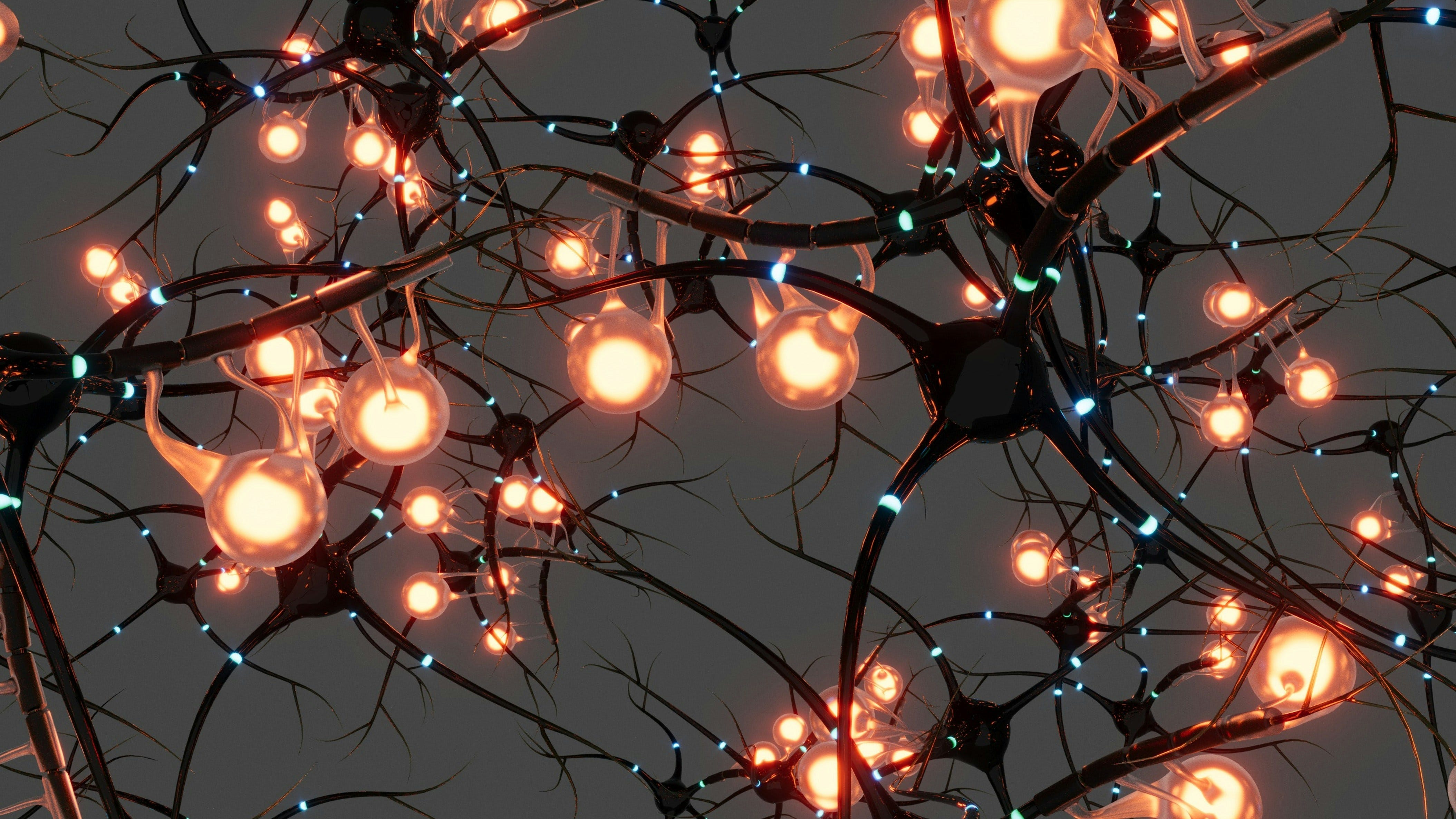
Menopause reshapes our brains, disrupting our psychological well-being. Decreasing hormones bring unwelcome physical symptoms, but they also deregulate our neurological functioning, reshaping how we think, how we feel, and how we relate. Together, these bodily and psychological shifts disrupt how we see the world and how the world sees us, unsettling our social roles.[2]
This fluctuating constellation of biological, psychological, and social changes makes one thing clear. There is no one-size-fits-all menopause. No such thing as the change. No two women experience it the same. It is a unique evolution that can start up to ten years before your last period, with consequences that reach far beyond that one day on a calendar.
My menopause experience was one of invisibility. Medically invisible. Doctors dismissed my symptoms as stress or depression. Socially invisible. I had no words to describe what was happening, so I didn’t say anything. Emotionally invisible. I was ashamed, certain this collapse was my fault.
It seemed like my very foundation was collapsing. The story I had told myself since a young age—that professional success was the measure of my worth. That my job defined me, carrying more weight and importance than any of my other roles, even being a mom.
This internal story we tell ourselves about who we are and where our life is headed is fundamental to our sense of self. Psychologists call it our narrative identity.[3] When that story disappears or is disturbed, the ground beneath us becomes unsteady, and we struggle to find our feet.
Menopause unraveled my story and left me adrift, as it does to countless others. But this kind of undoing can happen for many reasons: divorce, death, or illness.
Menopause and trauma move through us in eerily similar ways. Both are biopsychosocial experiences. Biologically, our hormones shift, and our bodies and brains recalibrate. Psychologically, our confidence falters, our moods destabilize, and our clarity dissolves. Socially, our roles change, our relationships strain, and the world often looks away.
When these layers collide—our biology, psychology, and social context converge to dismantle not just what we do, but who we believe ourselves to be. Loss takes many forms. Different circumstances, but the same essence. The story you were living no longer fits, and nothing new has yet to take its place.
It is frightening, disorienting, and often isolating, but it is part of being human. To live is to face loss, in one form or another. And while it can feel like a complete undoing, as I know only too well, it can also force us to let go of what no longer serves us.
This is where menopause, like other losses or traumas, can present an unexpected opportunity. A chance to reimagine who we are. To rewrite our story and return to wholeness, at least for a time.
Because, as Buddhist scholar Pema Chödrön reminds us:
Things falling apart is a kind of testing and also a kind of healing. We think that the point is to pass the test or to overcome the problem, but the truth is that things don’t really get solved. They come together and they fall apart. Then they come together again and fall apart again.[4]
Menopause is often thought of as binary, all loss or all liberation. But it is both. Loss and gain, rupture and rediscovery.
I am revisiting this story with a different lens as October is Menopause Awareness Month, and I have been thinking a lot about the connection between menopause and identity. For more resources on menopause, please check out letstalkmenopause.org.
[1] Karen Throsby and Celia Roberts, “Bodies of Change: Menopause as Biopsychosocial Process,” in Menopause Transitions and the Workplace (Bristol University Press, 2024).
[2] D. Simona et al., “Biopsychosocial Problems Faced by Women during Menopause,” Educ Soc 47, no. 1 (2023): 191.
[3] Dan P. McAdams, “Narrative Identity: What Is It? What Does It Do? How Do You Measure It?,” Imagination, Cognition and Personality 37, no. 3 (2018): 359–72, https://doi.org/10.1177/0276236618756704.
[4] Pema Chodron, When Things Fall Apart: Heart Advice for Difficult Times (Shambhala Publications, 2000).